


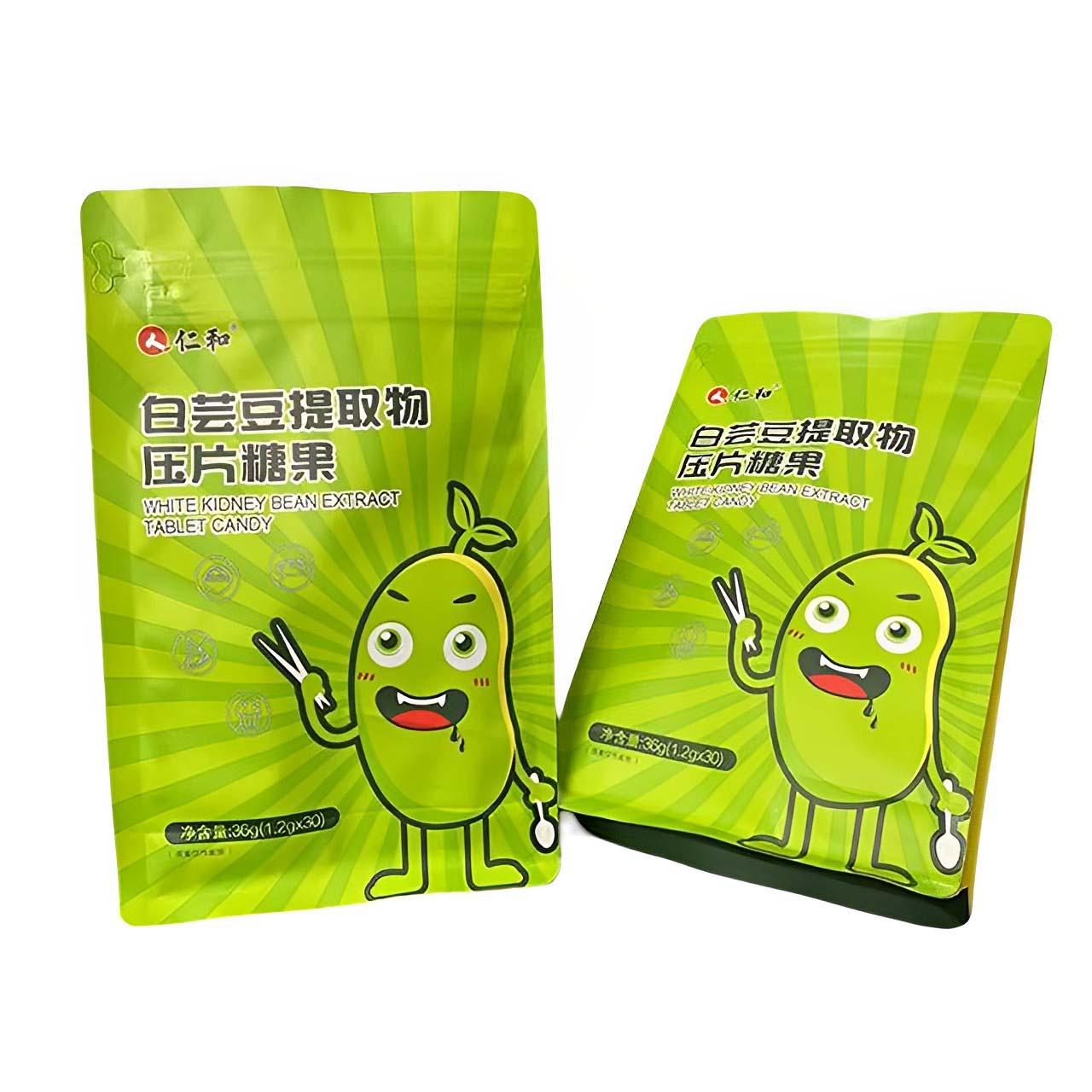
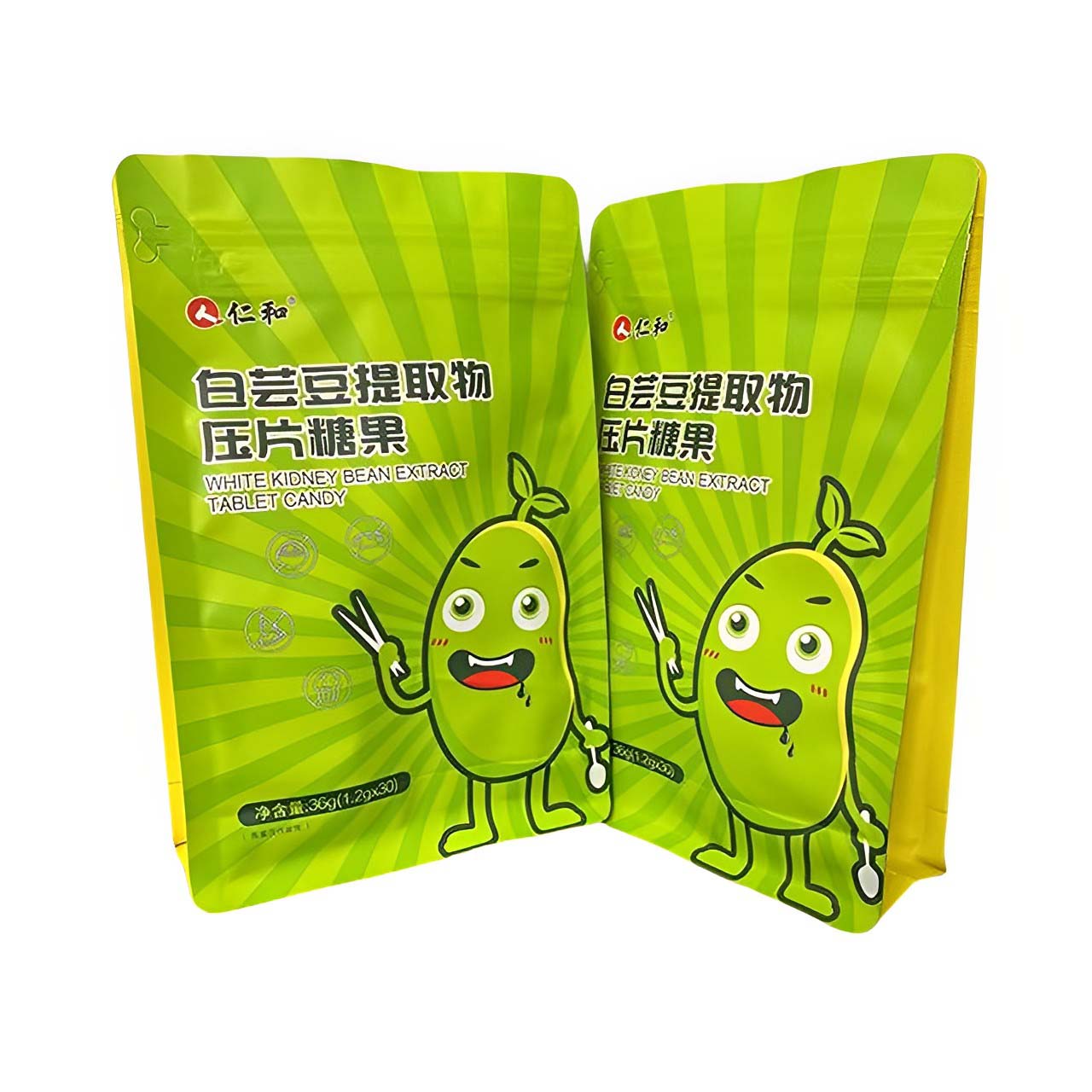
|
Item Name |
Recloseable Mylar Ziplock Packaging Bags |
|
Bag Type |
Ziplock Bags |
|
Key Feature |
With a resealable zipper-like closure on the top |
|
Material |
BOPP/AL/PE, or BOPP/VMPET/PE |
|
Size |
Customized, based on the products packed inside |
|
Thickness |
Customized, based on the products packed inside |
|
Printing |
Gravure printing up to 9 colors |
|
MOQ |
Depending on the size of the bag, normally 10,000 pieces |
|
Application |
All kinds of snack food packaging, such as biscuits, potato chips, candies, nuts, dried fruits, pastries, beef jerky, fish jerky, etc. |
|
Samples |
Stock samples are available for free, shipping cost is at the customer's account |
|
Packaging |
Standard export cartons, or customized |
|
Delivery Time |
According to the order quantity, usually 2-4 weeks after order confirmed and deposit received |
Features
Made of high barrier and food-grade material, the ziplock bags are designed to be airtight and water-resistant, providing a convenient and efficient way to store and transport items. They are commonly used for storing food items, such as snacks, fruits, vegetables, and leftovers, and they can also be used for storing other items such as jewelry, small toys, and office supplies. They are widely available in grocery stores, supermarkets, and online retailers.
1. Zipper-like seal: The most distinctive feature of ziplock bags is the zipper-like closure at the top that can be easily opened and closed.
2. Reusable: Ziplock bags are designed with a resealable zipper closure, which makes them easy to open, close and reseal for multiple uses.
3. Airtight: Ziplock bags are designed to be airtight, which means they can keep the contents fresh for longer periods of time.
4. Leak-proof: ziplock bags are also leak-proof, which means they prevent spills and messes.
5. Versatile: Ziplock bags can be used for a variety of purposes, including storing food, organizing small items, and protecting items from water and dust.
Benefits
The main benefit of using ziplock bags is that the zipper-type closure ensures a good seal, which helps to keep the contents inside fresh and secure. Ziplock bags are also relatively inexpensive, lightweight, and easy to use, making them a convenient and cost-effective storage solution. Additionally, they come in a variety of sizes and can be used to store almost anything.
Commonly Used Material Structure of Food Bag:
PET/AL/PE, PET/VMPET/PE,
BOPP/AL/PE, BOPP/VMPET/PE,
PET/BOPA/PE, BOPP/BOPA/PE,
PET/Kraft Paper/PE, BOPP/Kraft Paper/PE

When custom-making a plastic bag, the material structure should be designed based on the intended use and the desired properties of the bag. Generally, the material structure of a plastic bag consists of a substrate layer(Outer layer), a barrier layer(middle layer), and a sealant layer (inner layer). The substrate layer provides the bag with strength and shape. The barrier layer provides protection from moisture, oxygen, and other environmental factors. The sealant layer provides a secure closure and prevents leakage. Here are some steps to consider when designing the material structure of a plastic bag:
1. Determine the intended use of the bag, such as whether it is used to store food, pharmaceutical, clothing, electronics, or other items.
2. Identify the specifications and requirements of the packaging, such as the size, shape, weight, and volume of the contents to be packaged, as well as the storage and transportation conditions.
3. Select the appropriate materials based on the intended use, specifications, and requirements of the packaging, considering factors such as strength, durability, flexibility, and barrier properties. Common materials used in plastic pouches and bags include polypropylene (PP), polyethylene (PE), polyethylene terephthalate (PET), aluminium foil, and nylon.
4. Determine the number and arrangement of material layers needed to achieve the desired properties and performance. This may depend on factors such as the type of product being packaged, the level of protection required, and the intended use of the packaging.
5. Consider the manufacturing process and any additional features that may be needed, such as printing, sealing, or adding zippers or spouts.
6. Test and evaluate the material structure to ensure that it meets the specifications and requirements, and make any necessary adjustments or improvements.
Overall, designing the material structure of a plastic pouch or bag requires careful consideration of the specifications and requirements, as well as the properties and performance of the materials and the manufacturing process.


